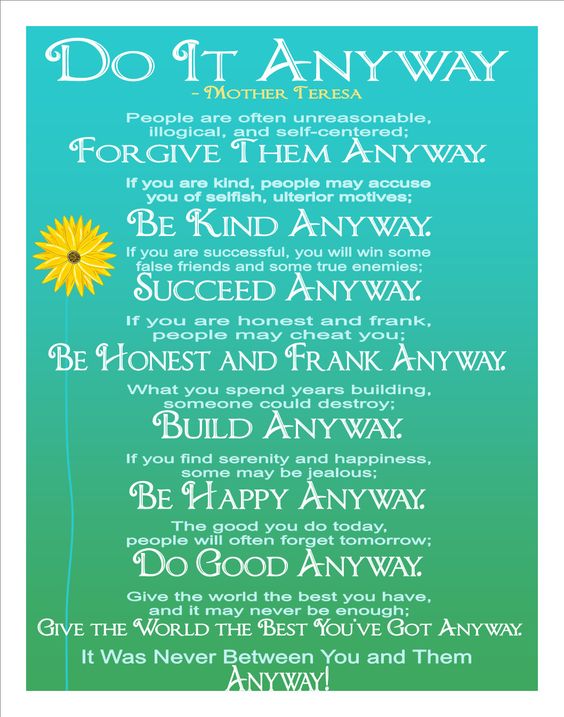

Mother Teresa

She chose me! A Journey of Faith and Divine Encounters

She chose me! A Journey of Faith and Divine Encounters

Today, I celebrate a very special anniversary and have decided to commemorate it with this short blog post. Eight years ago, on September 4, 2016, I was in Cartagena, Colombia, celebrating my good friend’s 40th birthday. On that same day, Mother Teresa was canonized by the Catholic Church and officially recognized as a saint, taking the title “Saint Teresa of Calcutta.”

This year, September 5, 2024, marks the 27th anniversary of her passing and is also her feast day. Reflecting on this, I am reminded of the profound impact she has had on my life and spiritual journey.

In 2013, I got divorced to make space for my soulmate. We found each other again at a Costco gas station, and I knew immediately that it was God who brought us back together. I wanted to spend the rest of my life with him. We started dating immediately, and one of the first questions he asked was whether I would ever marry again. I told him I would—I liked marriage but had just been married to the wrong person. However, I emphasized that the next time I got married, it would be through the church. A few months later, he asked if it had to be the Catholic Church. I told him I didn’t think so; I just wanted our marriage to be blessed. At that time, I was just beginning to return to my faith and the church.

In 2015, I was invited to a retreat by my friend’s sister, Nina. Although I had never been to a retreat before, I was intrigued because she was the third person to invite me. Without knowing why, I needed to go, I said “yes” and attended the retreat. In the words of Mother Teresa’s famous poem, “Do It Anyway,” I went anyway. During the retreat, the only question on my mind was about my future with my soulmate. I received my answer that weekend and knew that moving forward was what God wanted us to do. A few months later, I learned that the same retreat was being held for men, so I invited my soulmate to attend. According to him, he went just to make me happy, which it did. He came home from the retreat with the same fire for the Lord that I had. A few months later, he asked how he could receive Communion and convert to the Catholic faith. I want to emphasize that I never asked him to do this; it was a desire God placed in his heart. I explained that he would need to take classes and suggested we take them together since I still needed to receive the sacrament of Confirmation. I also mentioned that perhaps we should look into marriage prep classes to see if we were really ready for this step. Although we weren’t engaged yet, we lived together, and I just knew we were heading in that direction. We spoke with our pastor and enrolled in RCIA classes and marriage prep.

In 2016, as part of my preparation for Confirmation, I was asked to choose a Confirmation Saint. Although I grew up Catholic, my family didn’t speak much about the saints, so I wasn’t familiar with them. My pastor suggested I research them. One night, while browsing Netflix, I came across “The Letters,” a biographical drama released on December 4, 2015, that explores Mother Teresa’s life through her personal letters, focusing on her inner struggles and unwavering commitment to her mission. I knew of Mother Teresa, but I didn’t know much about her, so I decided to watch the film. Afterward, I remember thinking, “If only I could embody her love and commitment, I would love to be more like her.”

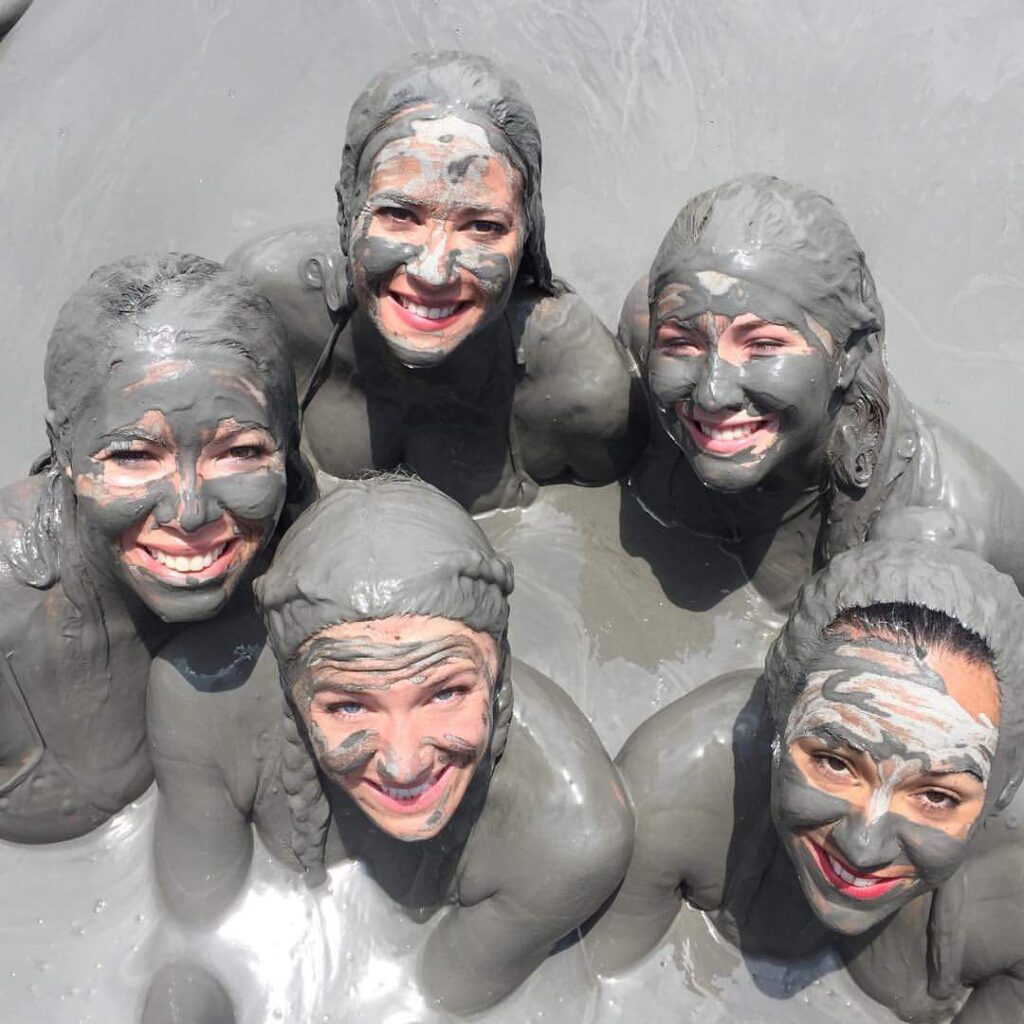
During our girls’ trip to Cartagena, my friend arranged for us to visit the Totumo Mud Volcano. While we were inside the volcano, I turned to chat with one of the women traveling with us, and suddenly, as I looked at her, I saw Mother Teresa. I blinked, trying to make sense of what I had just seen. The woman noticed and asked if I was okay. Hesitating, I told her that I had just had a strange vision of Mother Teresa. She looked surprised and said, “Really? Wow, I share her birthday, August 26.” I could hardly believe it. I had experienced so many “Godincidences” since beginning my journey back to faith that I was in awe and couldn’t stop sharing them with this woman. So much so that after dinner, our friend who was celebrating her birthday pulled me aside to tell me that her friend was an atheist. I laughed and said, “Well, apparently she’s enjoying my stories and hasn’t stopped me. Maybe there’s something she needs to hear?”

The following Sunday, back in Miami, we attended Mass at our home church,  St. Martha’s. After Mass, the announcements invited us to visit the gift shop for leftover Mother Teresa items from the previous week. I was curious and went to the gift shop, where they had Mother Teresa prayer cards, rosaries, and other gifts. I asked the volunteer why they had these items, and she explained, “They were left over from last week.” When I asked why, she said, “Weren’t you here? Last week was when Mother Teresa was canonized.”

That Sunday, I had missed Mass because of my girls’ trip. (Note that I don’t miss a Sunday now, even when traveling, but in 2016, I wasn’t where I am today.) The love I have for the Lord and my faith is so much greater now. Although I didn’t attend Mass that Sunday, Mother Teresa came to me, and that was the moment I knew who my Confirmation Saint would be. She chose me!

I purchased a gift for each of the women on that trip and mailed it to them with a brief overview of this story, thanking them for sharing that moment with me. Today, as we approach September 5, 2024—the 27th anniversary of Saint Teresa of Calcutta’s passing and her feast day—I remember that day inside the volcano with a smile and thank her for choosing me and for walking this journey of life with me.

Saint Teresa of Calcutta, pray for us!

🚀 Empowering Senior Professionals & Teams for Success 🚀About Vimari & Be Productive Coaching:

Vimari Roman, a Professional Certified Coach, serves as a catalyst for professional transformation, guiding individuals toward peak performance and fulfillment. With over two decades of experience in the Hospitality and MICE industries, including roles at Sonesta, LXR Luxury Resorts, Hilton Hotels, and Accor, Vimari transitioned into coaching driven by her passion for leadership empowerment.

Drawing on her extensive background in career strategies, leadership, and human behavior, she excels in helping professionals uncover their purpose and achieve career satisfaction. With over 25 years of leadership experience, Vimari has mentored and coached thousands of high-performing professionals across diverse industries, nurturing their unique abilities and fortifying their mental resilience, leading to peak performance, fulfillment, and growth.

Vimari is also certified as a Leadership and Positive Intelligence™ Coach. She is a sought-after speaker on topics such as Mental Fitness, Personal Branding, Purpose, and Career Strategies and Transitions. In 2019, LinkedIn recognized Vimari as a LinkedIn Career Expert. Additionally, she serves on the Board of the South Florida International Coaching Federation (ICF) Chapter and as faculty at 50/50 Women on Board, teaching the Personal Brand Workshop. Moreover, Vimari is an adjunct faculty at FAU, where she teaches the Certificate in Event Management program.

Know someone who could benefit from working with a coach specializing in executive & leadership coaching, career strategies, professional branding, positive intelligence, and mental fitness? Personal Introductions are the lifeblood of solopreneurship! www.beproductivecoaching.com

How to Find a Job After a Layoff: Turn Setbacks into Success

How to Find a Job After a Layoff: Turn Setbacks into Success

How to Find a Job After a Layoff: Turn Setbacks into Success

In today’s dynamic job market, finding a job after a layoff can be daunting. However, what may seem like a setback can become a stepping stone to new opportunities and professional growth. This comprehensive guide will walk you through rebounding from a layoff and finding your next great job opportunity.

Understanding the Emotional Impact of Job Loss

Experiencing a layoff can trigger a rollercoaster of emotions. It’s crucial to acknowledge and process these feelings as you begin your journey back to employment. Remember, it’s okay to feel this way.

  • Shock and Disbelief: The initial reaction to a layoff is often disbelief. You might ask, “Why me?” or “How did this happen?”
  • Anger and Frustration: As reality sets in, anger towards your former employer or the situation may surface.
  • Anxiety and Fear: Concerns about financial stability and future job prospects can lead to heightened anxiety.
  • Loss of Identity: For many, a job is more than just a paycheck; it’s a part of who they are. Losing that can lead to a sense of lost identity.
  • Depression: The combination of these emotions can sometimes lead to feelings of hopelessness or depression.

It’s important to remember that these reactions are normal and part of the grieving process for job loss. Acknowledging these emotions is the first step in moving forward. Consider seeking support from friends, family, or a professional counselor to help navigate this challenging time. You don’t have to go through this alone.

Immediate Steps After a Layoff

Once you’ve begun to process the initial shock, it’s time to take action. Here are some crucial steps to take immediately after a layoff:

Review Your Severance Package: Carefully examine any severance offer from your former employer, including:

  • Continuation of salary for a specified period
  • Extension of health benefits
  • Outplacement services
  • Payout of accrued vacation time

File for Unemployment Benefits: Be sure to apply for unemployment compensation. These benefits provide a financial cushion while you search for new opportunities. 

Assess Your Financial Situation: Create a budget that reflects your new financial reality. Consider:

  • Cutting non-essential expenses
  • Negotiating bills with creditors
  • Exploring options for health insurance coverage

Secure References: Contact former colleagues and supervisors for references while your contributions are still fresh in their minds.

Branding: Updating your LinkedIn profile is crucial, as it’s often the first place potential employers will look. Make sure it accurately reflects your most recent experience and skills.

Notify Your Professional Network: Let your contacts know you’re open to new opportunities. Many jobs are filled through personal connections and referrals.

These steps can help you maintain financial stability and position yourself for a successful job search.

Crafting Your Job Search Strategy

After addressing the immediate concerns, it’s time to develop a comprehensive job search strategy. This plan will serve as your roadmap to re-employment.

Reassess Your Career Goals

A layoff can be an opportunity to reassess your career trajectory. Ask yourself:

  • Are you satisfied with your current career path?
  • Do you want to explore new industries or roles?
  • What skills have you developed that could be valuable in different contexts?

This reflection can help you target your job search more effectively and potentially open doors to exciting new opportunities.

Brand Yourself: Update Your Resume and Cover Letter

Your resume and cover letter are your primary marketing tools in the job search process. Here’s how to make them stand out:

  • Tailor your resume for the next step: Highlight skills, experiences, and the accomplishments most relevant to the job you’re applying for.
  • Use action verbs and quantifiable achievements: Instead of listing job duties, focus on your accomplishments and back them up with data where possible.
  • Address the layoff proactively: If asked, be honest about the layoff but focus on what you learned and how you’ve grown from the experience.
  • Craft compelling cover letters: Use your cover letter to tell your unique story and explain why you’re the ideal candidate for the position.

Expand Your Skill Set

Use this time between jobs to enhance your marketability:

  • Take online courses: Platforms like Coursera, edX, and LinkedIn Learning offer many courses to boost your skills.
  • Earn certifications: Industry-recognized certifications can set you apart from other candidates.
  • Attend workshops and webinars: These can provide valuable knowledge and networking opportunities.

Leverage Your Network

Networking remains one of the most effective ways to find new job opportunities:

  • Reconnect with former colleagues: They may know of openings in their current companies.
  • Attend industry events: Both virtual and in-person events can lead to valuable connections.
  • Join professional associations: These groups often have job boards and networking opportunities for members.
  • Utilize social media: Engage in industry-related discussions on LinkedIn and Twitter to increase your visibility.

Navigating the Job Application Process

As you begin applying for jobs, it’s essential to approach the process strategically and persistently.

Job Search Techniques

Diversify your job search methods to maximize your chances of success:

  • Online job boards: Sites like Indeed, LinkedIn, and industry-specific job boards can be valuable resources.
  • Company websites: Many companies post job openings directly before advertising elsewhere.
  • Use the 80/20 rule: When reading job descriptions, do not hold back! Use the 80/20 rule. What does this mean? This means that you can do 80% of what they are asking for in the job description, and you can learn the other 20%. Remember that the job description is written for the perfect candidate to discourage candidates who will not be the best fit. Be confident in your 80%!
  • Recruitment agencies: Staffing firms can connect you with opportunities that match your skills and experience.
  • Informational interviews: Conversations with other industry professionals can provide insights into companies and industries, potentially leading to job opportunities.

Preparing for Interviews

Once you start landing interviews, thorough preparation is critical:

  • Research the company: Understand the company’s mission, values, and recent news.
  • Be ready to tell them about yourself: The “tell me about yourself” question is 99% of the time the first question asked during an interview. How you answer it will set the tone for the rest of the interview. Focus on your professional background (including education if you are a young professional), what you have to offer, and why you are there. Be brief. This answer should be one to two minutes max and must be at a high level. Let them ask follow-up questions for details.
  • Practice other common interview questions: Be ready to discuss your experience, skills, and how you’ve handled challenges in more detail. Situational questions are so common, so be ready. 
  • Prepare questions for the interviewer: This demonstrates your interest and engagement. Always have at least three questions ready. 
  • Address the layoff: If asked about your layoff, have a concise, positive explanation ready. Be honest and show confidence. 
  • Follow up after the interview: Send a thank-you note or email reiterating your interest and qualifications. Remember to include everyone in the hiring process.

Maintaining Resilience During the Job Search

Job searching can be a lengthy process, and it’s crucial to maintain your motivation and well-being throughout.

Establish a Routine

Treat your job search like a job itself:

  • Set regular working hours for job search activities
  • Create a dedicated workspace
  • Set daily and weekly goals for applications, networking, and skill development

Practice Self-Care

Taking care of your physical and mental health is crucial during this time:

  • Maintain a regular sleep schedule
  • Exercise regularly
  • Practice stress-reduction techniques like meditation and exercise
  • Stay connected with supportive friends and family

Stay Positive and Persistent

Rejection is a normal part of the job search process. Remember:

  • Each application and interview is a learning opportunity
  • Celebrate small wins along the way
  • Keep refining your approach based on feedback and results

Embracing Your New Role

Once you secure a new position, approach it with enthusiasm and a growth mindset:

  • Set clear goals: Establish your goals in your first 30, 60, and 90 days.
  • Build relationships: Connect with your new colleagues and seek out mentorship opportunities.
  • Continue learning: Stay curious and look for ways to expand your skills and knowledge in your new role.

How Can Be Productive Coaching Help You?

Navigating a job search after a layoff can be challenging, but you don’t have to do it alone. At Be Productive Coaching, we specialize in helping professionals like you turn career setbacks into opportunities for growth and success. We provide personalized guidance to help you craft a winning job search strategy, build confidence, and land your next significant role. 

Ready to turn your layoff into an opportunity? Schedule a free consultation with Be Productive Coaching today to start your journey to success.

FAQs

What are the best steps to take after a layoff?

A: After a layoff, carefully process your emotions and review your severance package. File for unemployment benefits, update your branding (resume and LinkedIn profile), and notify your network about your job search. Assess your finances and consider taking courses to enhance your skills. These steps will help you regain stability and position yourself for new opportunities.

How long does it typically take to find a job after being laid off?

A: The time to find a job after a layoff varies, typically 3 to 6 months, depending on factors like industry demand, networking efforts, and flexibility. Specialized skills and a strong network can shorten this period. While it may take time, persistence and a strategic approach will help you secure a new role.

How do you stay motivated during a job search after a layoff?

A: Staying motivated during a job search involves establishing a routine, setting achievable goals, and practicing self-care. Maintain a positive mindset by staying connected with supportive people and continuing to learn new skills. Celebrate small wins and remember that persistence is critical to finding the right job.

Level Up Your Resume: Crafting a Job-Winning Profile

Level Up Your Resume: Crafting a Job-Winning Profile

Level Up Your Resume: Crafting a Job-Winning Profile

In today’s fiercely competitive job market, your resume serves as your professional portrait – a snapshot of your career that can make or break your chances of landing that dream job. But how do you transform your resume from a mere list of experiences into a compelling narrative that captures the attention of employers and recruiters alike? According to the U.S. Department of Labor, a well-crafted resume is essential for job seekers, and there are specific strategies you can use to make yours stand out. By tailoring your resume to the specific job you’re applying for, highlighting your achievements and skills, and using clear and concise language, you can increase your chances of getting noticed by potential employers. 

Understanding Modern Resume Trends

The landscape of resume writing has evolved significantly in recent years. Today’s employers and recruiters expect more than just a chronological list of your past positions. They’re looking for a strategic document that clearly communicates your value proposition and aligns with their specific needs.

One of the most significant shifts in resume trends is the growing importance of Applicant Tracking Systems (ATS). These software tools, used by many companies to streamline their hiring process, scan resumes for relevant keywords and qualifications before they ever reach human eyes. This means your resume needs to strike a delicate balance:

  • It must be optimized for ATS to ensure it passes the initial screening.
  • It should remain engaging and readable when it reaches human reviewers.

To achieve this balance, focus on incorporating industry-specific keywords naturally throughout your resume while maintaining a clear, concise narrative of your professional journey.

Structuring Your Resume for Maximum Impact

The foundation of a job-winning profile lies in its structure. Depending on your career level, industry, and specific circumstances, you’ll want to choose the resume format that best showcases your strengths:

  • Chronological: Ideal for those with a steady career progression in one field.
  • Functional: Beneficial for career changers or those with employment gaps.
  • Combination: A hybrid approach that highlights both skills and experience.

Regardless of the format you choose, certain sections are essential in any modern resume:

  • Contact Information
  • Professional Summary 
  • Work Experience with Top Achievements
  • Education
  • Skills

For senior professionals or those in specialized fields, consider adding sections for publications, speaking engagements, or technical proficiencies.

Crafting a Compelling Professional Summary

Your professional summary is your elevator pitch – a concise yet powerful introduction that sets the tone for the rest of your resume. This 3-4 sentence paragraph should encapsulate your professional identity, key strengths, and soft skills.

When writing your summary, consider these key elements:

  • Your professional title or area of expertise.
  • Years of relevant experience.
  • Top 2-3 skills or qualifications that set you apart.
  • A notable achievement or unique value proposition.

Here’s an example of an effective professional summary:

“Results-driven Marketing Manager with 8+ years of experience in digital marketing and brand development. Expert in database management and segmentation techniques. Proven track record of increasing online engagement by 200% and driving $2M in additional revenue through innovative campaign strategies. Highly organized and efficient independent worker who thrives in a high-pressure and time-sensitive environment. Collaborates and communicates with cross-functional teams to bring compelling integrated marketing campaigns that increase brand awareness, nurture target audience, and boost sales.”

Showcasing Your Skills and Achievements

The heart of your resume lies in how you present your skills and achievements. It’s not enough to simply list your responsibilities – you need to demonstrate the impact you’ve made in your previous roles.

Start by categorizing your skills:

  • Hard skills: Technical abilities specific to your field
  • Soft skills: Interpersonal and transferable skills
  • Technical skills: Proficiency with relevant tools and technologies

When describing your achievements, use the PAR (Problem-Action-Result) method to create compelling bullet points:

  • Problem: Identify a challenge you faced
  • Action: Describe briefly the steps you took to address it
  • Result: Quantify the outcome, using metrics wherever possible

For example:

“Streamlined inventory management process, reducing stockouts by 30% and increasing overall efficiency by 25%.”

Remember to use strong action verbs to begin each bullet point, such as “spearheaded,” “implemented,” or “optimized.” These power words add dynamism to your resume and help paint a picture of your proactive approach to work.

Optimizing Your Resume for ATS and Human Readers

To ensure your resume makes it past ATS and impresses human reviewers, consider these optimization strategies:

  • Incorporate relevant keywords from the job description naturally throughout your resume.
  • Use standard section headings that ATS can easily recognize (e.g., “Work Experience” instead of “Professional Journey”).
  • Stick to common fonts like Arial or Calibri, and use a font size between 10 and 12 points.
  • Avoid using tables, graphics, or complex formatting that may confuse ATS.
  • Save your resume in a widely compatible format like .docx or .pdf.

While optimizing for ATS, don’t forget the human element. Use white space effectively, employ bullet points for readability, and ensure your resume tells a coherent story of your professional growth.

Tailoring Your Resume for Specific Opportunities

One size does not fit all when it comes to resumes. To maximize your chances of success, tailor your resume towards the next step, the position you want to apply to:

  • Research the company culture and values.
  • Analyze the job description for key requirements and preferred qualifications.
  • If your resume does not already align your experience and skills with the specific needs of the role then make sure you revise it. 
  • Use industry-specific language and acronyms where appropriate.
  • Make sure that you write a customized cover letter that aligns with the position and the company, and highlight one or two bullets that address the most important qualifications they are seeking. 

For career changers or those with non-traditional backgrounds, focus on highlighting transferable skills and relevant projects or volunteer work that demonstrate your capabilities in the new field.

Enhancing Your Resume with Additional Elements

To give your resume extra punch, consider incorporating these elements:

  • Relevant certifications and training
  • Volunteer work or community involvement
  • Language skills and international experience
  • Publications, presentations, or notable projects
  • Include a Cover Letter

These additional elements can set you apart from other candidates and provide talking points for interviews.

Proofreading and Refining Your Resume

Before sending out your resume, take the time to thoroughly proofread and refine it:

  • Use online tools like Grammarly for initial checks.
  • Read your resume aloud to catch awkward phrasing.
  • Ask a trusted colleague or mentor to review it.
  • Double-check that all information is accurate and up-to-date.

Common mistakes to avoid include inconsistent formatting, typos, and outdated contact information.

Complementing Your Resume with a Strong Online Presence

In today’s digital age, your resume is just one part of your professional profile. Enhance your job search by:

  • Aligning your LinkedIn profile with your resume
  • Creating a personal website or online portfolio if appropriate 
  • Managing your digital footprint across social media platforms (nothing is private these days!)

A cohesive online presence reinforces your professional brand and provides additional avenues for employers to learn about your skills and experiences.

Transform Your Resume, Transform Your Career

Crafting a job-winning profile is both an art and a science. By understanding current resume trends, structuring your document effectively, showcasing your achievements, and tailoring your approach to each opportunity, you can create a resume that not only passes ATS screening but also captivates human readers. Remember, your resume is a living document – continue to update and refine it as you grow in your career.

At Be Productive Coaching, we specialize in helping professionals like you elevate their careers through expert resume writing and career coaching services. Ready to take your resume to the next level? Contact Be Productive Coaching and schedule your free consultation for personalized guidance and expert support in crafting your job-winning profile.

Why Do People Hate Their Jobs So Much?!

Why Do People Hate Their Jobs So Much?!

Why Do People Hate Their Jobs So Much?!

In the frenetic world of corporate America, a startling number of individuals find themselves trapped in the grip of job dissatisfaction. The once-promising career path has transformed into a grueling nine-to-five drudgery, leaving many to ponder: Why do people hate their jobs so much? This pervasive sense of workplace unhappiness has become a critical issue, affecting not only individual well-being but also organizational productivity and economic growth. According to a recent report by the U.S. Bureau of Labor Statistics, job dissatisfaction costs American businesses over $550 billion annually in lost productivity and employee turnover. 

Common Causes of Job Hatred

The reasons behind job dissatisfaction are as diverse as the workforce itself. However, several key factors consistently contribute to the pervasive sense of professional misery:

Lack of Purpose and Meaning

Many employees experience a profound disconnect between their daily tasks and any sense of higher purpose. This professional purpose deficit can lead to a feeling of emptiness and futility in one’s work.

Poor Work-Life Balance

The constant struggle to juggle professional responsibilities with personal life often results in burnout and resentment towards one’s job. This imbalance can significantly impact mental health and overall life satisfaction.

Toxic Workplace Culture

A negative work environment, characterized by office politics, lack of support, and poor communication, can quickly turn a dream job into a nightmare. Workplace negativity spirals can be particularly damaging to employee morale

Insufficient Compensation and Benefits

Feeling undervalued and underpaid for one’s efforts is a major source of job dissatisfaction. When employees perceive a mismatch between their contributions and rewards, it can lead to decreased motivation and engagement.

Limited Growth Opportunities

Career stagnation and a lack of professional development prospects can leave employees feeling trapped and unfulfilled. The absence of a clear career path often results in a loss of occupational motivation.

Misalignment with Personal Values

When an individual’s values clash with those of their employer or industry, it can create a sense of moral discomfort and professional disenchantment.

The Psychology Behind Job Dissatisfaction

To truly understand the phenomenon of job hatred, we must examine the psychological factors at play:

Maslow’s Hierarchy of Needs in the Workplace

Abraham Maslow’s famous theory can be applied to the work environment. When basic needs such as job security and fair compensation are not met, employees struggle to reach higher levels of satisfaction and self-actualization in their roles.

The Impact of Unfulfilled Expectations

Many enter the workforce with high hopes and expectations. When reality fails to meet these ideals, it can lead to profound disappointment and disillusionment.

The Role of Intrinsic and Extrinsic Motivation

While extrinsic motivators like salary and benefits are important, intrinsic factors such as personal growth and meaningful work often play a more significant role in long-term job satisfaction.

Cognitive Dissonance in Career Choices

The mental discomfort experienced when one’s beliefs about one’s ideal career clash with the reality of one’s current job can contribute to ongoing dissatisfaction and stress.

The Consequences of Hating Your Job

Job dissatisfaction syndrome is not just a personal problem; it can have far-reaching consequences:

Mental Health Issues

Prolonged exposure to a disliked job can lead to stress, anxiety, and depression. Work-related depression is a growing concern in many industries.

Physical Health Problems

The mental toll of job dissatisfaction often manifests in physical symptoms, including headaches, fatigue, and a weakened immune system.

Decreased Productivity and Performance

Unhappy employees are typically less productive, which can impact both individual career prospects and overall company performance.

Negative Impact on Personal Relationships

The strain of job-related emotional exhaustion often spills over into personal life, affecting relationships with family and friends.

Career Stagnation and Missed Opportunities

Those stuck in jobs they hate may miss out on valuable opportunities for growth and advancement, further exacerbating their dissatisfaction.

Strategies for Improving Job Satisfaction

For those experiencing workplace unhappiness, there are several strategies to consider:

Self-Assessment and Goal-Setting

  • Take time to reflect on your values, strengths, and long-term career aspirations.
  • Set clear, achievable goals that align with your personal and professional objectives.

Developing New Skills and Competencies

  • Invest in continuous learning to enhance your value and open up new opportunities.
  • Seek out training programs or certifications that can broaden your skill set.

Improving Communication with Supervisors and Colleagues

  • Foster open dialogue with your superiors about your role and expectations.
  • Build positive relationships with coworkers to create a more supportive work environment.

Seeking Opportunities for Growth Within the Current Role

  • Look for ways to take on new responsibilities or lead projects that interest you.
  • Propose innovative ideas that can benefit both you and your organization.

Cultivating a Positive Mindset and Practicing Gratitude

  • Focus on the aspects of your job that you do enjoy, no matter how small.
  • Regularly acknowledge the positive elements of your work life to maintain perspective.

When to Consider a Career Change

Sometimes, despite best efforts, a job may simply be the wrong fit. Here are signs it might be time to move on:

  • Persistent feelings of dread or anxiety about work.
  • Lack of engagement or interest in your tasks.
  • Misalignment between your values and the company’s culture.
  • Limited growth potential within the organization.

Steps to prepare for a career transition include:

  • Conducting thorough research on potential new fields or roles.
  • Networking with professionals in your desired industry.
  • Updating your skills and qualifications as needed.
  • Creating a financial buffer to support your transition.

Overcoming fears and obstacles in career changes requires courage and careful planning. Remember that many successful professionals have navigated career shifts and emerged more satisfied and fulfilled.

Transform Your Career with Be Productive Coaching

Job dissatisfaction is a complex issue with no one-size-fits-all solution. However, by understanding its causes and actively working to improve our work lives, we can move towards greater fulfillment in our careers. Whether it’s through personal growth, workplace improvements, or bold career changes, there are always paths to a more satisfying professional life.

Remember, you’re not alone in facing these challenges. Many have successfully navigated the journey from job hatred to career contentment. If you’re struggling with job dissatisfaction, Be Productive Coaching can help you navigate your career challenges and find fulfillment in your professional life. By working with us, you can gain clarity on your career goals, develop strategies to overcome obstacles and build confidence to take control of your career. With the right guidance and support, you can transform your job from a source of stress and unhappiness to a source of joy and fulfillment. Don’t settle for a life of workplace misery – take the first step towards a more rewarding career by booking a free consultation with Be Productive Coaching today.

How Workplace Culture Affects Productivity

How Workplace Culture Affects Productivity

How Workplace Culture Affects Productivity

In today’s fast-paced business world, the link between workplace culture and productivity has become increasingly apparent. From the corner office to the cubicle farm, organizations are realizing that their company ethos can significantly impact the bottom line. But how exactly does the professional milieu influence output? Research suggests that a positive workplace culture, characterized by strong emotional and intellectual connections among employees, can lead to higher levels of engagement and productivity. For instance, Gallup’s findings indicate that employees who feel included and connected perform better and are more engaged. 

The Foundations of a Productive Workplace Culture

At its core, a productive workplace culture is built on a foundation of clearly defined core values and a compelling mission. When employees understand and align with these principles, it creates a powerful synergy that propels the organization forward.

Key elements of a productivity-enhancing culture include:

  • Strong leadership that inspires and motivates
  • Clear communication channels across all levels
  • A shared sense of purpose and direction
  • Recognition of individual and team contributions

Leadership styles play a crucial role in fostering productivity. Whether it’s the charismatic CEO or the supportive team leader, effective leaders set the tone for the entire organization. They create an environment where employees feel valued, empowered, and motivated to give their best.

Communication practices are equally vital. From the boardroom to the breakroom, how information flows through an organization can make or break its efficiency. Open, transparent communication fosters trust and ensures that everyone is on the same page, working towards common goals.

Employee Engagement and Its Effect on Output

Employee engagement is the lifeblood of productivity. When staff members are invested in their work and feel a strong connection to their organization, they’re more likely to go above and beyond in their roles.

Job satisfaction plays a significant part in this equation. Employees who find fulfillment in their work are naturally more productive. They’re not just clock-watchers; they’re active contributors who take pride in their accomplishments.

Motivation is another critical factor. Whether it’s intrinsic motivation driven by personal growth or extrinsic motivation through rewards and recognition, keeping employees motivated is key to maintaining high levels of productivity.

Recognition and reward systems can significantly boost morale and output. From a simple “thank you” to more formal acknowledgment programs, showing appreciation for employees’ efforts can have a profound impact on their performance.

Work Environment and Productivity

The physical workspace design has a direct influence on how employees work. The debate between open floor plans and traditional office layouts continues, but the key is creating an environment that supports the type of work being done.

Workplace flexibility has become increasingly important, especially with the rise of remote work. Organizations that offer flexible working arrangements often see improvements in both productivity and employee satisfaction.

Work-life balance is no longer just a buzzword; it’s a crucial component of sustaining long-term productivity. Companies that prioritize their employees’ well-being often reap the benefits of a more engaged and productive workforce.

Collaborative spaces can enhance teamwork and spark innovation. Whether it’s a dedicated brainstorming room or a casual meeting area by the water cooler, these spaces facilitate the exchange of ideas and foster creativity.

Organizational Learning and Innovation

In today’s knowledge-based economy, continuous learning is essential for driving productivity. Organizations that invest in employee development often see returns in the form of increased efficiency and innovation.

Knowledge management systems play a crucial role in preserving and sharing institutional wisdom. By making information easily accessible, these systems can significantly reduce the time wasted on reinventing the wheel.

Innovation is the lifeblood of many industries, and workplace culture can either nurture or stifle creative thinking. A culture that encourages risk-taking and values new ideas is more likely to stay ahead of the curve.

Cross-functional teams can be powerful engines of innovation and productivity. By bringing together diverse perspectives and skill sets, these teams can tackle complex problems and drive organizational success.

Diversity, Inclusion, and Cultural Intelligence

Diversity in the workplace isn’t just about ticking boxes; it’s about leveraging a wide range of perspectives to drive innovation and productivity. A diverse workforce brings varied experiences and viewpoints to the table, leading to more creative problem-solving and decision-making.

Creating an inclusive environment is crucial for maximizing the potential of a diverse team. When every employee feels valued and heard, regardless of their background, it fosters a sense of belonging that translates into higher engagement and productivity.

In our globalized world, cultural intelligence has become a valuable asset. Organizations that cultivate this skill among their employees are better equipped to navigate international markets and collaborate across borders effectively.

Managing generational differences in the workplace presents both challenges and opportunities. Each generation brings its own strengths and working styles. By understanding and leveraging these differences, organizations can create a more dynamic and productive work environment

Measuring and Improving Workplace Culture

To improve workplace culture, organizations need to first assess where they stand. There are various tools and methods available for this purpose, from employee surveys to more comprehensive cultural audits.

Key performance indicators (KPIs) for culture and productivity might include:

  • Employee engagement scores
  • Turnover rates
  • Productivity metrics
  • Innovation indices

Cultural transformation is no small feat, but it can yield significant returns. It requires commitment from leadership, clear communication of goals, and consistent effort over time.

Many organizations have successfully transformed their cultures, resulting in dramatic improvements in productivity. These case studies serve as valuable learning tools for others embarking on similar journeys.

The Role of Technology in Shaping Workplace Culture and Productivity

Digital tools have revolutionized how we communicate and collaborate in the workplace. From project management software to instant messaging platforms, technology has enabled new levels of efficiency and connectivity.

Artificial Intelligence (AI) and automation are reshaping workplace dynamics, taking over routine tasks and freeing up human workers to focus on higher-value activities. This shift requires a culture that embraces technological change and values continuous learning.

While technology offers numerous benefits, it’s crucial to strike a balance with human interaction. A culture that values face-to-face communication alongside digital tools can often achieve the best of both worlds.

In our interconnected world, cybersecurity has become a critical aspect of organizational culture. A strong cybersecurity culture not only protects sensitive information but also contributes to overall operational efficiency by preventing costly breaches and downtime.

Building a Culture that Boosts Your Bottom Line

For businesses looking to transform their workplace culture and boost productivity, at Be Productive Coaching, we offer expert guidance and tailored solutions. We can help you define your organization’s core values, model desired behaviors, and implement effective communication strategies to foster collaboration and teamwork. By investing in employee development and recognizing outstanding performance, we can assist you in creating a positive and inclusive work environment that empowers your workforce. Contact Be Productive Coaching today at assistant@beproductivecoaching.com or you may call +1 786 258 1335 to start your journey toward a more dynamic, engaged, and productive workforce. 

Vimari Roman, Executive Coach

Tips for your career’s next step!

Career Strategist & Coach

I help high-performing professionals – like you – transition into exciting jobs with higher earning potential and career satisfaction.

Tips to prepare for your next career transition! 

Whether you want to switch industries, climb the corporate ladder, or start your own business, we have valuable advice to help you succeed.

1. Define your goals: Before embarking on a career transition, it’s essential to clearly understand what you want to achieve. Ask yourself: What kind of work do I enjoy? What are my strengths and weaknesses? What are my long-term career aspirations? Once you have a solid understanding of your goals, you can build an action plan.

2. Assess your skills: Take inventory of your existing skills and identify any gaps that need to be filled. Acquiring new knowledge and skills can be achieved through various means, such as enrolling in courses, participating in workshops, or seeking mentorship opportunities. The more you can enhance your skill set, the better positioned you will be for your next career move.

3. Network: Building relationships with people in your desired industry can be incredibly valuable. Broadening your professional circle can enhance your career transition prospects. You can consider participating in industry events, enrolling in professional associations, and contacting relevant contacts on LinkedIn to expand your network. This will help you learn about job opportunities and gain insider knowledge about the industry you want to enter.

4. Update your resume: Your resume is your personal marketing tool, so make sure it’s up-to-date and tailored to your new career goals. Highlight the skills and experiences that are most relevant to your new career path.

5. Practice interviewing: Interviews can be nerve-wracking, so practice makes perfect. Prepare for potential job interviews by researching frequently asked questions and rehearsing your answers with a trusted confidant, such as a friend or family member. The more prepared you are, the more confident you will be in the actual interview.

6. Stay positive: Career transitions can be challenging, but staying positive and persistent is essential. Don’t be discouraged by setbacks or rejections. Rather than being disheartened by setbacks, utilize them as opportunities for growth and progress. Maintain your determination and continue making efforts towards accomplishing your objectives.

We hope these tips help you prepare for your next career transition. Remember that anything can be achieved through an appropriate mental attitude and adequate groundwork.

Tips to Avoiding Stress & Burnout.

Stress and burnout are common issues faced by many people in today’s fast-paced and demanding world. Taking care of yourself is crucial to avoid these problems and maintain a healthy work-life balance. Here are some valuable tips to help you prevent stress and burnout:

1. Prioritize self-care: Make sure to take time for yourself every day to relax and recharge. Whether going for a walk, taking a yoga class, or reading a book, prioritize what works for you.

2. Set boundaries: Learn to say no and set boundaries with your work and personal commitments. You can avoid overloading yourself with too many tasks and schedule time for rest and relaxation.

3. Practice mindfulness: Incorporate mindfulness practices such as meditation, deep breathing, or visualization into your daily routine. By incorporating these practices into your routine, you can effectively alleviate stress and enhance your overall state of well-being.

4. Connect with others: Social support is vital for mental and emotional health. You can allocate some time to connect with your loved ones or explore your hobbies and interests by joining a group or club.

5. Manage your workload: Break down tasks into manageable chunks and prioritize them based on importance. Could you consider delegating tasks to others, or discuss workload concerns with your supervisor?

Remember, taking care of yourself is essential for preventing stress and burnout. By implementing these tips, you can improve your overall well-being and maintain a healthy work-life balance. Stay tuned for next month’s newsletter to discuss ways to improve your productivity and focus.

Mental Fitness Bootcamp!

We are excited to announce that on the 13th of May, we will be hosting a Mental Fitness Bootcamp to help individuals improve their mental health and well-being.
The bootcamp will include exercises, sessions, and discussions to enhance your cognitive abilities and promote a healthy mindset.
Get ready to experience the 7 Weeks of Inspired Practice at our Mental Fitness Bootcamp:

Week 1: Boost Your Self-Command Muscle

Week 2: Your Judge

Week 3: Intercept Your Accomplice Saboteurs

Week 4: Shift From Saboteur to Sage

Week 5: Sage Muscle

Week 6: Boost Your Sage Powers

Bonus Week 7: Navigate and Sustain with Life and Work Applications

Our bootcamp is open to anyone looking to improve their mental health and well-being, whether you’re a student, working professional, or stay-at-home parent. By joining us, you’ll gain valuable knowledge and tools to help you lead a happier, healthier life.

The bootcamp will be held virtually, so you can attend from the comfort of your own home or office. To register, visit our website and sign up for the Positive Intelligence Mental Fitness Bootcamp.

How it Works

1. Watch a weekly 1-hour video session.

2. Attend weekly group coaching session

3. Practice for 15 min. every day on an exclusive Mobile App.

4. Track your daily progress and conquer your brain.

Curious about my training? Our next Crushin Mental Fitness Bootcamp starts May 13th. See below for more details.

We hope to see you there!

We’ve got one life to live. I choose to live mine fearless and free, at peace, and filled with hope and love. How about you? Have a memory that anchors you? ⚓ Share it with me…I’d love to hear it.

This work is life-changing! 

Click below to learn more:

https://beproductivecoaching.com/crushing-mental-fitness/

Is this for you? Listen to Beth’s testimonial.

Next Steps:

  • First step: Take the saboteur assessment to meet your top saboteurs. (Note that you will be asked for an email address, and we recommend you use the same email address you will use to receive information during the program and download the app). Once you take the assessment, you will receive three (3) emails from Shirzad Chamine, the founder explaining the work, and we recommend you read them. You will not receive any other emails after that from Positive Intelligence. All of the program information will come from Vimari. Here is the link for the assessment: Take the Free Saboteur Assessment

Are you a leader thinking of how to spend your 2023 Training & Development budget?

Elevate your team’s EQ by putting your Training & Development budget to work towards training that will be sustainable with our Positive Intelligence Powered Teams program. You can select any date, and we can start a private Co-Hort just for your team.
Learn more about it by clicking below:

https://beproductivecoaching.com/positive-intelligence-for-teams/

Tip of the month🌟

Practice self-compassion. When we make mistakes or face challenges, we often beat ourselves up and engage in negative self-talk. However, treating ourselves with kindness and understanding can help to reduce stress, anxiety, and depression.

Let’s meet in person at any of the following:

No alt text provided for this image
June 12-15, 2023: MPI WEC 

IN-PERSON | Coaching

Location: Riviera Maya

More details to follow

IN-PERSON Session | Elevate and Reinvigorate Your Personal Brand for Today’s Market!

Location: Riviera Maya

No alt text provided for this image
June 26-28, 2023: FICP Education Forum

IN-PERSON Session | Increase Your EQ with Positive Intelligence™

Location: Omni Amelia Island Resort

Date: June 27

Time: 3:30 pm – 5:00 pm ET

No alt text provided for this image
August 23-25, 2023: Meet Well Summit 

IN-PERSON | ONSITE SESSION

Session Title:  Burnout No More

Location: Opal Sands Resort, Clearwater Beach, FL

More details to follow

Are you coming to any of these conferences? Let’s connect! 

About Be Productive:

Founder Vimari Roman changes lives by helping professionals achieve peak performance and fulfillment through career strategies, coaching, professional branding, and mental fitness.

She began her career in Hospitality. After over 20 years, she realized she had outgrown her career; in 2013, she transitioned her skillset, earned her Certificate in Meeting Management, and started her first company, Be Productive Meetings & Events. After a great start, she felt that something was still missing. She went inward and discovered that she missed the coaching and leadership of her teams. A year later, in 2014, she received her Global Certificate in Leadership Coaching and founded Be Productive Coaching, a boutique firm based in Miami, Florida. With over twenty-five years of experience in leadership, Vimari has mentored and coached hundreds of high-performing professionals in various industries, amplifying their unique talents and strengthening their mental muscles to help them achieve peak performance, fulfillment, and growth.

Vimari is a Certified Leadership and Positive Intelligence Coach who speaks on Mental Fitness, Professional Branding, and Career Strategies and Transitions. She is a proud and engaged member of the South Florida ICF Chapter, and in 2019 she was recognized by LinkedIn as a LinkedIn Career Expert.

Know someone who could benefit from working with a coach specializing in career strategies, professional branding, positive intelligence, and mental fitness? Personal Introductions are the lifeblood of solopreneurship! www.beproductivecoaching.com

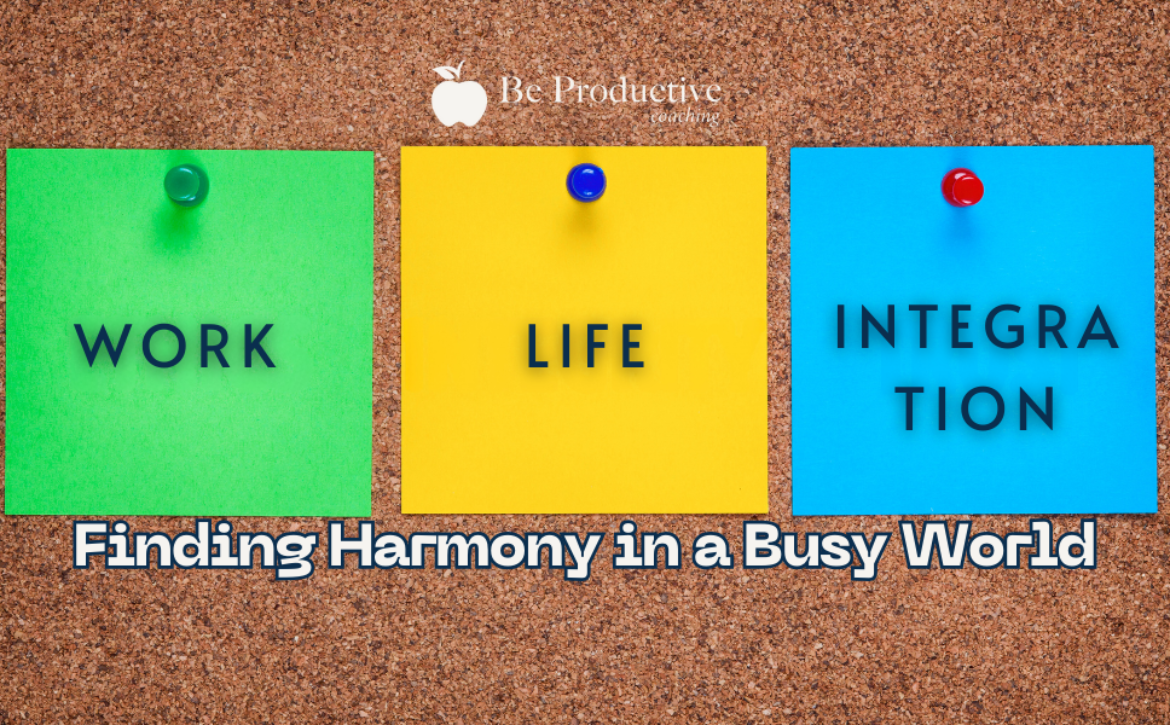
work life balance doesn't exist

Stop Stressing Over Work/Life Balance

work life balance doesn't exist

We have all heard the term “work/life balance.” It’s a catchphrase that has been used to describe an individual’s ability to balance the demands of work and life. Chances are that at some point in your life, you have tried achieving work/life balance as a goal, and I could almost bet that trying to achieve this balance has caused you quite a bit of stress. It’s caused you stress because, in reality, work/life balance does not exist. I am here to invite you to stop stressing over work/life balance and instead strive to achieve life balance. You may think this is the same, but it’s not. Most people seeking work/life balance are overworked, unhappy with their work, or are struggling with difficulties in their relationships inside or outside work, sometimes both.


If your work feels completely unrelated to the activities that stir your interest, enthusiasm, energy, and sense of meaning, then it may be time for you to transition to the next step of your career. While your work doesn’t need to satisfy all of your needs for purpose, meaning, social connection, and challenge, you should expect work to provide you with moments of satisfaction, accomplishment, and connection. If it doesn’t, then you do not need work/life balance…you need a new job, or you may need to change careers. 


However, if you are getting fulfillment and satisfaction from your work but feel that you just don’t have time for anything else, then that may mean you have to learn how to delegate or create boundaries. You may also need to establish priorities to learn how to integrate your personal and work life and ultimately find life balance.


Technology and work-from-home flexibility have contributed to much of this “off-balance” feeling. We work from home, and our devices are connected 24/7, which can adversely affect our mental health, emotional well-being, and relationships. So how do we disconnect, and how do we find this “life balance?”


Rewire Your Mindset:

Yes, mindset is key when seeking life balance. When life is busy, or all your energy is focused on a special project, it’s all too easy to find yourself off balance, not paying enough attention to important areas of your life. While you need to have the drive and focus if you’re going to get things done, taking this too far can lead to frustration and intense stress. We must understand that we are one person with many responsibilities and interests that can be balanced. The key here is that we are “one person” and to look at our life as one life vs. dividing our life into two different areas. You are one person that enjoys hobbies, family, a significant other, kids, pets, and work. Work is an integral part of your life, so why try to keep it separate? Keeping this division adds to our stress. Instead, I recommend integrating all of the areas of our life, including work and finding balance.


Integrate Life: 

Life integration will look very different for all of us. Work-life integration involves blending both personal and professional responsibilities. Rather than viewing work and personal time as separate entities, is finding areas of compromise. If you arrange your work and home lives, so they fit together to fulfill all your needs, you can create a life with time for your work and relationships, family, and outside interests. The advantage of life integration is freedom. When we integrate our life, we feel free, and our stress levels decrease. Integrating means that you are scheduling hours around your priorities and when things need to get done. It also means understanding productivity times and setting boundaries.


Set Boundaries:

When integrating life to find life balance, it is crucial to set boundaries. This means that to have work and personal life coexist, you must maintain firm boundaries between home and office, allowing you to devote your full attention to each at a given time. This means scheduling office hours, time for emails, and conference calls and the same goes for your personal items. 


Understand Priorities:

Prioritizing is key to a life balance. We must understand that sometimes our work will require a little more attention, and sometimes our home or personal life will require that extra attention. As one person, we could only do so much, so it’s important not to feel guilty when prioritizing what needs the most time and attention and enjoy the times when we are smooth sailing.


Here are some additional tips that may help:

🌟 Create time to reflect: go for walks after lunch, take advantage of slow periods, go on mini-vacations, turn off email notifications on weekends

🌟 Align your work with your purpose and passions: do work that moves you and understand you’re why

🌟 Utilize your talents: challenge yourself at work or raise your hand for a project that excites you

🌟 Find time for high-value activities: volunteer, run or walk a 5k, collect for your favorite charity, or take an art class

🌟 Invest in your relationships: create time for your family and friends; go to lunch or dinner; plan activities; make a phone call

🌟 Be flexible: know that life is not perfect and that even challenging times can provide a gift or opportunity to learn


The key to life balance is enjoying your life without having to separate or compartmentalize life. 

Want to learn more about following an integrated life balance approach to work and life without stress? Schedule a free consultation: www.beproductivecoaching.com/contact


About Be Productive:

Speaking at WEC Annual Conference

Founder Vimari Roman changes lives by helping professionals achieve peak performance and fulfillment through career strategies, coaching, professional branding, and mental fitness.

She began her career in Hospitality, and after over 20 years, she realized she had outgrown her career; in 2013, she transitioned her skillset, earned her Certificate in Meeting Management, and started her first company, Be Productive Meetings & Events. After a great start, she felt that something was still missing. She went inward and discovered that she missed the coaching and leadership of her teams. A year later, in 2014, she received her Global Certificate in Leadership Coaching and founded Be Productive Coaching, a boutique firm based in Miami, Florida. With over twenty-five years of experience in leadership, Vimari has mentored and coached hundreds of high-performing professionals in various industries, amplifying their unique talents and strengthening their mental muscles to help them achieve peak performance, fulfillment, and growth.

Vimari is a Certified Leadership and Positive Intelligence Coach who speaks on Mental Fitness, Professional Branding, and Career Strategies and Transitions. She is a proud and engaged member of the South Florida ICF Chapter, and in 2019 she was recognized by LinkedIn as a LinkedIn Career Expert.

Know someone who could benefit from working with a coach specializing in career strategies, professional branding, positive intelligence, and mental fitness? Personal Introductions are the lifeblood of solopreneurship! www.beproductivecoaching.com

Disconnecting Mental Fitness Tip

Disconnecting is Being Productive

Disconnecting Mental Fitness Tip

Disconnecting is being productive, but nowadays, with so many of us attached to our phones and working from home, being able to disconnect is difficult, and it takes a conscious effort.

It is no wonder why burnout, mental health, and wellbeing are hot topics these days. And that’s because we are not disconnecting!

I get it … as an entrepreneur with a Hyper-Achiever mind, it’s extremely difficult for me to find moments of silence which is why I treasure my escapes to nature.

My last escape took place in September. I had been non-stop from April to early August, and by the time my schedule slowed down, I felt exhausted, and no matter the amount of sleep or PQ reps, I could not relax. That’s when I decided to turn a wedding weekend into a 10-day road trip with my hubby and chocolate Labrador Zeke. Our trip felt like a late summer vacation that was much needed and perfectly timed, avoiding the rush of summer travel. And I’ve been so clear and productive since I return that I couldn’t help but want to share these tips with you.

Besides increased productivity, the benefits of disconnecting are endless and include:

🌟 Increased focus and concentration

🌟 Lowered stress and anxiety

🌟 Increased creativity

🌟 Higher energy levels

🌟 Better life balance

But in the midst of all that we have going on, how do we disconnect without feeling guilt or FOMO?

The answer: By setting healthy boundaries!

Here are my tips for setting boundaries so that you can disconnect:

1️⃣ Communicate and delegate before disconnecting so that your employer, employees, or clients know that you will be offline.

2️⃣ Turn on your out-of-office and turn off your work notifications.

3️⃣ Get out in nature and turn off your phone or put it on airplane mode for as long as possible.

You can, of course, do any other activity that you enjoy, but I highly recommend just being out in nature to truly disconnect. Other activities may require brain work, and you may not get the necessary recharge. I find that being quiet and still are the best ways to disconnect.

About Be Productive:

Speaking at WEC Annual Conference

Founder Vimari Roman changes lives by helping professionals achieve peak performance and fulfillment through career strategies, coaching, professional branding, and mental fitness.

She began her career in Hospitality, and after over 20 years, she realized she had outgrown her career; in 2013, she transitioned her skillset, earned her Certificate in Meeting Management, and started her first company, Be Productive Meetings & Events. After a great start, she felt that something was still missing. She went inward and discovered that she missed the coaching and leadership of her teams. A year later, in 2014, she received her Global Certificate in Leadership Coaching and founded Be Productive Coaching, a boutique firm based in Miami, Florida. With over twenty-five years of experience in leadership, Vimari has mentored and coached hundreds of high-performing professionals in various industries, amplifying their unique talents and strengthening their mental muscles to help them achieve peak performance, fulfillment, and growth.

Vimari is a Certified Leadership and Positive Intelligence Coach who speaks on Mental Fitness, Professional Branding, and Career Strategies and Transitions. She is a proud and engaged member of the South Florida ICF Chapter, and in 2019 she was recognized by LinkedIn as a LinkedIn Career Expert.

Know someone who could benefit from working with a coach specializing in career strategies, professional branding, positive intelligence, and mental fitness? Personal Introductions are the lifeblood of solopreneurship! www.beproductivecoaching.com

Gratitude-Jar-Instagram-Post

4 Simple Exercises to Introduce a Gratitude Practice

Founder Vimari Roman changes lives by helping professionals achieve peak performance and fulfillment through career strategies, coaching, professional branding, and mental fitness.

She began her career in Hospitality, and after over 20 years, she realized she had outgrown her career; in 2013, she transitioned her skillset, earned her Certificate in Meeting Management, and started her first company, Be Productive Meetings & Events. After a great start, she felt that something was still missing. She went inward and discovered that she missed the coaching and leadership of her teams. A year later, in 2014, she received her Global Certificate in Leadership Coaching and founded Be Productive Coaching, a boutique firm based in Miami, Florida. With over twenty-five years of experience in leadership, Vimari has mentored and coached hundreds of high-performing professionals in various industries, amplifying their unique talents and strengthening their mental muscles to help them achieve peak performance, fulfillment, and growth.

Vimari is a Certified Leadership and Positive Intelligence Coach who speaks on Mental Fitness, Professional Branding, and Career Strategies and Transitions. She is a proud and engaged member of the South Florida ICF Chapter, and in 2019 she was recognized by LinkedIn as a LinkedIn Career Expert.

Know someone who could benefit from working with a coach specializing in career strategies, professional branding, positive intelligence, and mental fitness? Personal Introductions are the lifeblood of solopreneurship! www.beproductivecoaching.com

[/vc_column_text][/vc_column][/vc_row]

Did you know that September 21st is World Gratitude Day?

World Gratitude Day has been designed to bring the whole world together in a day that is all about being thankful. World Gratitude Day joins organizations, nationals, and individuals in sharing their gratitude in a number of different ways.

History of World Gratitude Day

The celebration started in 1965 in Hawaii when an international gathering decided that it would be a good idea to have one day per year to formally express gratitude and appreciation for the many wonderful things to be found in the world. Following the meeting in Hawaii, many attendees marked Gratitude Day on 21st September 1966 when back in their own countries. Since then, the number of people celebrating Gratitude Day worldwide has grown and grown. (https://www.daysoftheyear.com/days/world-gratitude-day/)

The benefits of practicing gratitude are nearly endless. In celebration of “World Gratitude Day”, I want to share with you some of those benefits in hopes that you can incorporate this important practice into your life.

It’s proven that people who regularly practice gratitude by taking time to notice and reflect upon the things they’re thankful for experience:

  • positive emotions
  • feel more alive
  • sleep better
  • express more compassion and kindness
  • even have stronger immune systems

It’s in the little things:

  • being grateful for waking up
  • your health
  • simple as a delicious piece of pie
  • your mani & pedi
  • your ability to move your body and exercise
  • coffee
  • a hug
  • your daily dog walk
  • being alive

This is all great but is there any research? Absolutely, positive psychology and a recent case study recognized that a gratitude practice increases:

  • happiness and wellbeing
  • appears to create a healthier heart (A Grateful Heart is a Healthier Heart)
  • in the same study, gratitude was also associated with improved sleep and less fatigue

In addition, gratitude has been shown to:

Help you make friends: A study found that thanking a new acquaintance makes them more likely to seek a more lasting relationship with you.

Improve your physical health: People who show gratitude report fewer aches and pains, a general feeling of health, more regular exercise, and more frequent checkups with their doctor than those who don’t.

Improve your psychological health: Grateful people tend to have stronger sage muscles enjoying higher well-being and happiness, and suffer from reduced symptoms of depression.

Enhance empathy and reduces aggression: Those who show their gratitude are less likely to seek revenge against others and more likely to behave in a prosocial manner, with sensitivity and empathy.

Enhance your self-esteem: Grateful People have increased self-esteem, partly due to their ability to appreciate other people’s accomplishments.

Increase in mental strength: Grateful people have an advantage in overcoming trauma and enhanced resilience, helping them to strengthen their sage mental muscles allowing them to bounce back much quicker from highly stressful situations.

Combine your gratitude practice with a mindfulness practice, and you’ll actually be able to shrink your amygdala.

The amygdala is the ‘fight or flight’ center of the brain regulating:

  • Worry
  • Fear
  • Reactivity
  • Our response to stress

In addition, Univ. of Wisconsin – Neuro Richard Davidson, professor of psychology and psychiatry, confirmed that this combination could also increase the Immune System in as little as 8 weeks of training.

My goal behind sharing this information with you is that you understand how powerful a gratitude practice can be in enhancing your health, cognition, and performance.

Here are 4 simple exercises you can do to introduce a gratitude practice into your life:

  1. Gratitude Journal – One Week Commitment: This is my favorite exercise to suggest for my clients. Take time at the end of each day to write down 3 things that you are grateful for. Think about what you’re grateful for concerning your work life, friendships, past events, or life circumstances. Maybe try doing this daily for one week, and then you can do it once or twice a week. When the strategy starts feeling like a chore, stop it for a while or mix it up. If you are ever feeling especially down and need a quick pick-me-up, take your journal out and read it to remind yourself of what is good in your life.
  2. Handwrite Random Thank You Cards or Letters: I love doing this at conferences and retreats and leaving these randomly for my husband. Buy a stack of blank “Thank you” cards or just blank cards, and for one month, mail out a minimum of one (1) card or letter per week to someone who has done something you appreciate and/or you are just grateful to have them in your life.
  3. Gratitude Rock: The secret to this exercise is that the rock is just a symbol, a physical object you can use to remind yourself of what you have. I brought a gratitude rock back from my recent pilgrimage on the Camino as a reminder of how wonderful I felt during that trip and how grateful I am to have had the opportunity to complete the journey. The instructions are about as simple as instructions can be: just find a rock! Make sure to pick the one you like, whether you like it because it’s pretty because it is smooth or has an interesting texture, or because you picked it up from a special place. If you have another small object you’d rather use instead, feel free to substitute that for the rock. Carry this rock in your pocket, leave it on your desk where you will see it throughout your day, or even wear it on a chain around your neck or wrist. Whenever you see it or touch it, pause to think about at least one thing you are grateful for. Whether it’s something as small as the sun shining down on you at this moment or as large as the job that allows you to feed yourself or your family, just think of one thing that brings you joy or fulfillment. When you take the stone out of your pocket or off your body at the end of the day, take a moment to remember the things that you were grateful for throughout the day. Repeat this process when you put it on or in your pocket again in the morning to remember what you were grateful for yesterday. Not only will this help you remember the things you are grateful for, but it can also trigger a mini-mindfulness moment in your day. It will bring you out of your head and into the present moment, giving you something to focus your attention on. It can also act as a switch to more positive thinking.
  4. Gratitude Jar: The gratitude jar is a stunningly simple exercise that can profoundly affect your well-being and outlook on life. My sister-in-law gifted us a jar a few years back, and we love having it on the kitchen counter as a reminder. It only requires a few ingredients: a jar (a box can also work); a ribbon, stickers, glitter, or whatever else you like to decorate the jar; paper and a pen or pencil for writing your gratitude notes; and gratitude!

Step 1: Find a jar or box.

Step 2: Decorate the jar with your decorating implements to make it a happy sight. (See pic for an example)

Step 3: This is the final, most important step, which will be repeated daily. Think of at least three things you are grateful for throughout your day. It can be something as benign as a coffee at your favorite coffee shop or as grand as the love of your significant other or dear friend. Do this daily, write down what you are grateful for on little slips of paper, and fill the jar. Over time, you will find that you have a jar full of many reasons to be thankful for what you have and enjoy your life. If you are ever feeling especially down and need a quick pick-me-up, take a few notes out of the jar to remind yourself of what is good in your life.

Tip: You can make any of these a team-building exercise, but I particularly love and recommend the handwritten thank you cards and the gratitude jar. With the gratitude jar, you can bring it to your monthly team meeting and have the team pick one piece of paper out and read it out loud.

I hope these inspire you. Gratitude is much more fun when shared, so share these with family and friends.

In gratitude,

Vimari

p.s. If you are seriously interested in shrinking your amygdala, I recommend you consider joining my next Mental Fitness Bootcamp. This truly life-changing program correlates with the 18-dimensions of Emotional Intelligence (EQ) and is proven to increase your EQ by teaching you to respond to life’s challenges with a positive rather than negative mindset, creating more calm, ease, and healthy relationships in your life. The next cohort starts Mon 9/26, and it’s all virtual. Learn more here: Crushing Mental Fitness 7-Week Program


About Be Productive:


No alt text provided for this image

Founder Vimari Roman changes lives by helping professionals achieve peak performance and fulfillment through career strategies, coaching, professional branding, and mental fitness.

She began her career in Hospitality, and after over 20 years, she realized she had outgrown her career; in 2013, she transitioned her skillset, earned her Certificate in Meeting Management, and started her first company, Be Productive Meetings & Events. After a great start, she felt that something was still missing. She went inward and discovered that she missed the coaching and leadership of her teams. A year later, in 2014, she received her Global Certificate in Leadership Coaching and founded Be Productive Coaching, a boutique firm based in Miami, Florida. With over twenty-five years of experience in leadership, Vimari has mentored and coached hundreds of high-performing professionals in various industries, amplifying their unique talents and strengthening their mental muscles to help them achieve peak performance, fulfillment, and growth.

Vimari is a Certified Leadership and Positive Intelligence Coach who speaks on Mental Fitness, Professional Branding, and Career Strategies and Transitions. She is a proud and engaged member of the South Florida ICF Chapter, and in 2019 she was recognized by LinkedIn as a LinkedIn Career Expert.

Know someone who could benefit from working with a coach specializing in career strategies, professional branding, positive intelligence, and mental fitness? Personal Introductions are the lifeblood of solopreneurship! www.beproductivecoaching.com

trail-hero-e1545091628769

On my way to the Camino 🚶‍♀️ Finding my Sage and the gifts from pain and suffering 🎁

They say your journey to the Camino de Santiago (The Ways of St. James) starts as soon as you decide to go and start planning the trip. Still, I didn’t know what that meant when I signed up to join my cousin Irisaida on her 50th birthday pilgrimage. 

My Camino started on October 27th, 2021, when I received the invitation to join Irisaida and four of her friends on the Camino Frances. Of course, I immediately said yes because this had been on my bucket list for some time, so the planning began. I quickly purchased my flights to take advantage of reasonable airfare and had planned to do some research for training and packing over the holidays. Still, as life would have it, I came down with the Omicron variant of Covid on December 23rd and spent my holidays in bed. “No problem,” I thought, “I will start planning in January once I am over this terrible virus.” 

January 10th was the first day I was 100% well. It was my first day back in the office since December 17th, and I was excited to get to work and prepare for my next Crushing Mental Fitness 6-week program. Shadow, my 15yr old chocolate labrador, had to go to the bathroom at about noon. I ran to open the kitchen door to let him out, but I was a little too late, and my poor baby had an accident in the kitchen on his way out to the yard. I started cleaning and wanted to hose down the kitchen stairs, but my husband had not replaced the broken hose. I had to improvise while being highly annoyed at my husband as I’ve been asking him to replace the hose for a few weeks. When I saw Shadow trying to get back inside, I quickly grabbed him by the collar to bring him in by the side door so that he wouldn’t drag the poop back in, but when we went to the door, it was locked. “The door that my husband had kept open for weeks is locked just when I need it to be opened,” I thought. I became even more annoyed, and as I turned around, I fell on the concrete stairs and floor. Ouch, the pain! I twisted my ankle and could barely walk when I got up. I first thought of my trip, the Camino, my ankle. “Oh no, this happened to my sister and spiritual mentor Liz when she was going on her Camino. If she could get well and still travel weeks or months after her injury, I should be fine too.” And so my pain and suffering began, and the last 70+ days have been unpredictable. 

I utilized the RICE method for a couple of weeks before realizing that I may need medical attention. I made an appointment with my fabulous Podiatrist Dr. Marizeli Olacio founder of Omega Group. Fifteen days later, I got the medical attention I needed for a torn ligament and contusion. I had to wear a walking boot for four (4) weeks. I then transitioned to a heavy-duty brace while doing therapy three times a week with Max Wolters DPT, CSCS, all in hopes that I could still make the Camino.

If that wasn’t enough, a week after I fell on January 17th, my husband had fallen asleep in the living room. When he went to get up to come to the bedroom, he fell on our living room floor. He is not sure how but his hand was super swollen. He, too, waited a week or so before getting medical attention, and when he did, they told him he fractured a bone. 

As humans, we were never promised that life would be perfect. If you are reading this, I bet you too have had your share of pain and suffering. Pain and suffering are necessary for us humans to appreciate the gifts that life brings us. Maybe your pain and suffering have not been as intense as some of the people you know or the stories you’ve heard. Still, I bet you’ve experienced an accident, betrayal, or life disappointment at one point or another. We all have, and the worst part is that we never know when it will come. We can plan and set goals, but life often turns out differently, and it’s up to us to see the gift and opportunities (Sage Powers).

As my husband and I were getting into the routine and on our way to healing a couple of weeks later, on February 2nd, we got the terrible news that my husband’s uncle passed away in a car accident and that his little cousin who was in the car with her grandfather was in ICU. So as if our physical pain was not enough, we now have this emotional pain and grief. Three days later, my maternal grandfather, Abuelo Alberto, passed away. 

When it rains, it pours, they say, ” Boy, did we get a storm in our way. I had planned for 2022 to be the year I would unleash the power within me and the power within my clients. Still, on February 5th, I had no idea if I would be able to do anything. But this is life. As Forest Gump said, “Life is like a box of chocolates; you never know what you are going to get.” 

As the weeks went by, my physical body was healing, and my heart was recovering. But before I could celebrate and start packing for my March 24th trip, I got my last test and challenge on my way to the Camino. 

In February, I noticed that my monthly menstrual cycle was late. I didn’t pay much mind to it because I realized all of the stress and emotional pain could have an effect on our hormones. I did find it strange as I am very regular but didn’t pay much mind to it. Almost 14 days later, the flood gates opened on March 3rd, and on Monday, March 14th, I started to get nervous. I was only 10 days from my trip, and how could I travel this way? I am now hijacked by my saboteurs and on edge because of what I’ve experienced over the past three months. I think of the worst and make an emergency appointment with the Gynecologist. I went in the next day, and the first thing the doctor says is, “you may need to cancel your trip.”

My heart started beating fast, and I wanted to cry. After all of this, no way…why? I did some of my PQ reps and took some nice breaths, and we continued the conversation. He rushed me to get a ton of blood work done and a couple of sonograms and gave me a prescription to stop the bleeding. The results started to appear in the portal on Friday, and the blood work showed that I was anemic. I didn’t understand the other results, so I patiently and nervously waited the weekend with all of my Camino packing items on top of my living room table because I was too nervous to pack. Finally, Monday comes along, and I get a message in the portal from my doctor’s office that he wants to see me ASAP. You can probably imagine how I felt. I nervously called to make an appointment, wondering what news I would receive and now basically getting mentally ready to possibly have to cancel my trip. They squeezed me in to see the doctor on Tuesday afternoon. I drive there doing PQs, breathing, and praying. I finally get to see the doctor, and he goes over the results with me and gives me the okay to travel along with some instructions. I took a deep breath and could almost cry from the excitement and relief that it wasn’t anything life-threatening or urgent.

The roller coaster is over for now, and I can pack to go on my Way to St. James. 🤗 “Thank you, Lord,” I thought! 🙏

Amid this pain and suffering, I’ve received many lessons and gifts thanks to my way of looking at life and my mental fitness practice. At 45, I am on my way and still learning! 🧠 💪


(Image provided by Positive Intelligence)

I want to share a few of my Sage lessons:

🧠 Because of my fall, I’ve been alcohol-free (no vino) since December 17th, and I feel fantastic! More on that in the future.

🧠 I am now more empathetic to physical pain.

🧠 I am now more aware and empathetic to the aging process with my dog, my grandfather, and my own body. I’ve realized that our body is our temple, and we need to take care of it.

🧠 I’ve really learned that I must let go of control. (This is one of my top saboteurs, and I must continue working on them.)

🧠 I’ve come to appreciate the importance of sleep and recovery.

🧠 I’ve been building new habits and allowing others to help me. 

🧠 I thoroughly appreciate the importance of having a good team (husband, doctors, physical therapist, and coaches)

I am off to the Camino! We depart tomorrow, March 24th. If you want to follow our walk, sign up to receive notifications of our “Seis Caminos – Women Empowerment” Blog. This post will be there, and you’ll get to meet my cousin Irisaida and the other four women walking with us. Here is the full link: https://browslasheshope.org/camino-blog

Until April – I’ll be on my way! 

xo, Vimari


(Image taken from REI – https://www.rei.com/blog/travel/how-to-hike-the-camino-de-santiago)

About Be Productive:

Founder, Vimari Roman helps professionals get out of paralysis analysis, gain confidence, and take massive action to succeed in the career that moves them.

Vimari began her career in Hospitality and after over 20 years, she found herself bored, frustrated and discouraged. She realized that she had outgrown her career and in 2013 transitioned her skillset, earned her CMM (Certificate in Meeting Management), and started her first company, Be Productive Meetings & Events. After a great start, she felt that something was still missing. She went inward and discovered that she missed the coaching and leadership component of her teams. A year later in 2014, she received her Global Leadership Certified Coach designation, and Be Productive Coaching was born.

Vimari serves clients from all over the world working virtually. With over twenty years of experience in leadership, she has successfully mentored and coached 100’s of high-performing professionals in various industries assisting their transition to living exciting lives, filled with purpose, greater career satisfaction, and higher pay. 🍎Check out how she can help you at www.beproductivecoaching.com